
The Curious Case of a Floating Island: Nature's Mysteries Unveiled
Understanding the Phenomenon
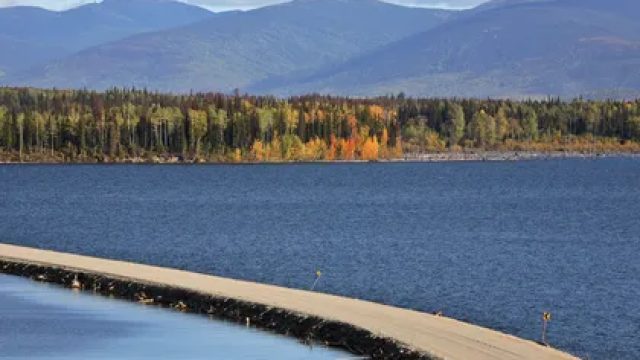
The recent emergence of a floating island in a well-known reservoir in British Columbia has captivated both residents and scientists. This phenomenon not only challenges existing ecological understanding but also raises awareness regarding the dynamic ecosystems in our world. Observers noted that the island appeared seemingly overnight, leading to speculation about its origin and the factors prompting its retreat and return.
Key Takeaways
- The island is located in a mapped reservoir in British Columbia.
- It appeared and disappeared within a short timeframe.
- Similar floating islands exist in other regions.
- This phenomenon raises questions about environmental changes.
- Local ecologists are studying its impact on the ecosystem.
Ecological Implications
The floating island phenomenon, while intriguing, also has significant ecological implications. Floating islands can serve as habitats for various wildlife, offering a unique ecosystem within a larger environmental context. The sudden disappearance of such islands could signal changes in water levels or vegetation that may affect local fauna.
The Role of Water Levels
A key factor in the fluctuation of these floating islands is the water levels in the reservoir. Natural events such as rainfall or drought can drastically alter the dynamics of water bodies, influencing whether an island can sustain itself. Observers in British Columbia have monitored these changes closely, emphasizing the need for responsible water management to maintain ecological balance.
Environmental Awareness and Future Research
The reappearance of the island has not only sparked local curiosity but has also caught the attention of environmental scientists. Researchers are advocating for more studies into the phenomenon to understand how climate change impacts such occurrences. Enhanced understanding can lead to better conservation efforts and strategies to protect vulnerable ecosystems.
Frequently Asked Questions
What causes floating islands to appear?
Floating islands can form when vegetation grows dense enough to create buoyant mats that float on water surfaces, often influenced by water levels and environmental conditions.
Are floating islands common in other regions?
Yes, floating islands have been documented in various parts of the world, each with unique characteristics shaped by local ecosystems.
What does the disappearance of a floating island signify?
The disappearance may indicate changes in water levels or environmental stressors that disrupt the balance necessary for the island's stability.
How can local communities prepare for such phenomena?
Communities can engage in environmental monitoring and conservation programs to better understand and protect their local ecosystems from unexpected changes.
Why is this phenomenon important for environmental science?
Studying floating islands helps scientists understand ecological dynamics, climate impacts, and the interconnectedness of water bodies and surrounding habitats.
 Manchester United's Strategic
Exploring the Impact of FCS Sc
Exciting Matchup: Liverpool's
Exciting FCS Football Season B
Manchester United's Strategic
Exploring the Impact of FCS Sc
Exciting Matchup: Liverpool's
Exciting FCS Football Season B