
Navigating Climate Challenges: Essential Insights for Planning Adaptation
Introduction
As climate change continues to grip the globe, businesses in Southeast Asia, particularly in markets like Indonesia, face increased pressure to adapt to rising environmental threats. With new legislation emerging, companies must prepare for how these changes will impact their operations and planning strategies.
The Legislative Landscape: What’s New?
Recent developments in climate legislation require local councils to draft comprehensive plans addressing risks associated with climate hazards. However, a significant gap remains regarding the funding and resources necessary for executing these plans effectively. This ambiguity poses strategic challenges for businesses in high-risk areas, especially in bustling cities like Jakarta and Surabaya.
Understanding Managed Retreat
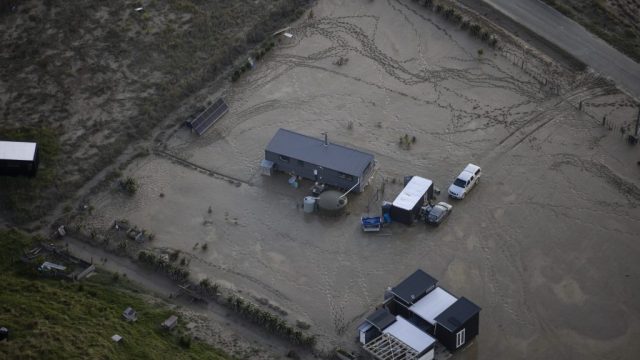
Managed retreat has become a crucial concept in adaptation planning, particularly for regions in Southeast Asia where flooding and natural disasters are becoming more frequent. This approach necessitates a collaborative effort between governments, businesses, and communities, yet the lack of central funding solutions raises questions about the future viability of such initiatives.
Importance of Local Collaboration
- Local businesses must engage with councils to influence resource allocation.
- Collaboration leads to more tailored and effective adaptation strategies.
- Building community resilience is critical for long-term sustainability.
Current Insights from the Southeast Asia Market
The Indonesian market is particularly emblematic of the challenges and opportunities presented by climate adaptation. With its vast archipelago, diverse ecosystems, and urban centers vulnerable to climate impacts, the need for robust adaptation measures is more pressing than ever.
Key Economic Implications
Businesses in Indonesia must understand how climate risks directly affect their economic viability. For instance, adverse weather can disrupt supply chains, impact labor availability, and increase operational costs. Recognizing these factors is critical for strategic planning.
Strategies for Businesses
- Conduct risk assessments to identify vulnerability points in operations.
- Invest in sustainable practices to mitigate environmental risks.
- Stay informed about local regulations and funding opportunities.
Key Takeaways
- Climate adaptation planning is essential for businesses facing environmental risks.
- New legislation requires local councils to address climate hazards effectively.
- Managed retreat presents challenges with funding and resource allocation.
- Collaboration between businesses and councils can enhance adaptation strategies.
- Staying informed about market trends is vital for operational resilience.
Frequently Asked Questions
What is climate adaptation planning?
Climate adaptation planning involves developing strategies to minimize the negative impacts of climate change on communities and businesses.
Why is managed retreat important?
Managed retreat is crucial for communities facing extreme climate threats, allowing for relocation and infrastructure adjustments to better cope with environmental changes.
How can businesses prepare for climate risks?
Businesses can prepare by conducting risk assessments, investing in sustainable operations, and collaborating with local governments.
What role does local legislation play in adaptation?
Local legislation mandates councils to create adaptation plans, shaping how businesses must respond to climate risks in their areas.
Why focus on Southeast Asia?
Southeast Asia, especially Indonesia, is highly vulnerable to climate impacts, making it a pivotal area for adaptation planning and strategic business operations.
 Manchester United's Strategic
Exploring the Impact of FCS Sc
Exciting Matchup: Liverpool's
Exciting FCS Football Season B
Manchester United's Strategic
Exploring the Impact of FCS Sc
Exciting Matchup: Liverpool's
Exciting FCS Football Season B