
Transforming Fashion: How Heirloom Techniques Shape Modern Apparel
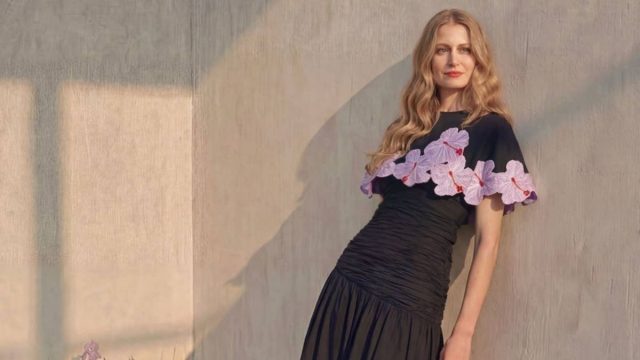
Introduction to Heirloom Fashion
In an age where fast fashion dominates, a refreshing countertrend has emerged: heirloom fashion. This innovative movement is not only about creating clothes but is an embodiment of artistry, culture, and sustainability. Brands are now embracing traditional hand-sewing and embroidery techniques to produce garments that tell a story, thereby connecting the past with the present. As consumers increasingly seek quality over quantity, the appeal of heirloom fashion is surging, particularly amidst the shifting dynamics of the global clothing industry.
Key Takeaways
- Heirloom fashion emphasizes craftsmanship and sustainability.
- Contemporary designs are inspired by traditional techniques.
- Consumers are shifting towards ethical fashion choices.
- This trend fosters a connection between generations.
- Brands are seeing a rise in demand for unique, handcrafted items.
The Rise of Heirloom Fashion in 2023
As we navigate through 2023, the fashion landscape is noticeably transforming. The need for sustainability and accountability in the fashion industry has never been more apparent. Brands are increasingly focusing on sustainable materials and ethical production processes. Heirloom fashion plays a pivotal role in this shift by promoting handcrafted items that are not only made to last but also carry a sense of history and personal touch.
Why It Matters Now
As environmental concerns grow and consumers become more aware of the impact of their purchasing decisions, the heirloom fashion movement resonates deeply. It provides a meaningful alternative to fast fashion, which often prioritizes profit over people and the planet. By revitalizing traditional techniques, brands engage in a dialogue about sustainability, culture, and identity, making this trend particularly relevant in today’s context.
Connecting with Culture: The Role of Tradition
Heirloom fashion is deeply rooted in cultural narratives. Each piece often reflects a specific heritage, utilizing techniques passed down through generations. This connection to tradition not only enriches the garment's aesthetic but also enhances its emotional value, as consumers are often drawn to stories behind the clothing they wear.
Global Influence and Local Craftsmanship
Brands around the world are tapping into local craftsmanship to create heirloom pieces. For instance, artisans in Southeast Asia, particularly in Indonesia's embroidery-rich regions like Bali and Surabaya, are integrating their rich cultural heritage into modern designs. This synergy between local techniques and global fashion trends is fostering a new appreciation for handmade clothing.
Challenges and Opportunities Ahead
While the heirloom fashion movement presents numerous opportunities, it is not without challenges. Brand awareness and consumer education are crucial for sustaining growth. Many consumers may still be unaware of the value of handmade clothing versus mass-produced items. Effective storytelling through marketing, showcasing the craftsmanship and personal touch behind each piece, is essential to bridge this gap.
Future Trends in Heirloom Apparel
Looking ahead, heirloom fashion is set to evolve. We can expect a rise in collaborations between traditional artisans and contemporary designers, leading to innovative collections that honor heritage while appealing to modern aesthetics. Additionally, transparent supply chains will likely become a standard, as consumers demand to know more about the products they purchase.
Conclusion: Embracing the Future of Fashion
In conclusion, the heirloom fashion movement is more than a trend; it is a significant shift in the way we approach clothing. By valuing craftsmanship, culture, and sustainability, brands are not only creating unique pieces but also fostering a deeper connection with their consumers. As we continue into the new year, the future of fashion looks to be one where tradition and modernity coexist harmoniously, creating a vibrant tapestry that reflects the best of both worlds.
 Manchester United's Strategic
Exploring the Impact of FCS Sc
Exciting Matchup: Liverpool's
Exciting FCS Football Season B
Manchester United's Strategic
Exploring the Impact of FCS Sc
Exciting Matchup: Liverpool's
Exciting FCS Football Season B